Passenger Guide

Passenger Guide

The Real Cost of Driving to Work in Houston (Full Breakdown)

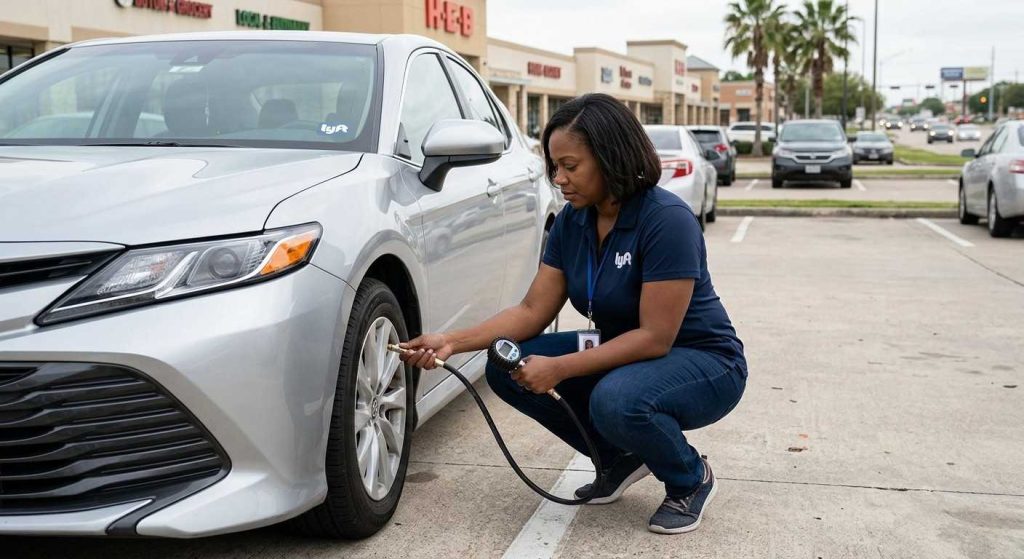
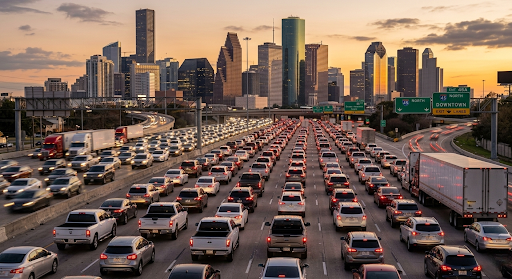
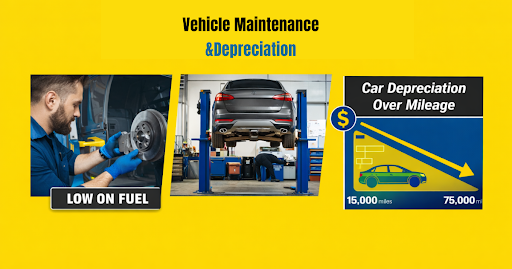
The Real Cost of Driving to Work in Houston   Driving to work in Houston may feel routine, but the real cost goes far beyond fuel. Gas, maintenance, insurance, tolls, parking, and hours lost in traffic add up quickly. According to the U.S. Bureau of Transportation Statistics, transportation is one of the largest household expenses in the United States. Heavy congestion on highways like I-45 and I-10 increases expenses while adding stress and reducing productivity. Understanding these hidden commuting costs can help Houston drivers explore smarter alternatives like SafeTrip that save time, reduce stress, and protect long-term finances. For many Houston professionals, driving to work is routine. The morning alarm rings, coffee is poured, and the commute begins. But what often feels like a simple daily habit carries a significant financial and personal burden. Houston is one of the most car-dependent cities in the United States. Long travel distances, suburban expansion, and heavy reliance on personal vehicles mean most workers commute alone. While owning a car offers flexibility, the cumulative cost of commuting five days a week can be surprisingly high. The real cost of driving to work in Houston includes fuel, maintenance, depreciation, insurance, parking, tolls, and most importantly, time. When you calculate these expenses annually, commuting may cost far more than expected. In this guide, we break down those hidden costs and explore a smarter alternative for Houston professionals. Fuel Costs Add Up Faster Than You Think Fuel is the most visible commuting expense, but it is often underestimated. Gas prices in Houston fluctuate throughout the year, influenced by seasonal demand, supply changes, and global market conditions. Consider a 30-mile daily round trip. If your vehicle averages 22–25 miles per gallon and fuel costs fluctuate between $3.00 and $3.50 per gallon, you may spend $150–$250 per month on gasoline alone. Over a year, that equals $1,800–$3,000—just for fuel. Now factor in congestion. Rush hour traffic on I-45, I-10, US-59, and the 610 Loop increases idle time and reduces fuel efficiency. Stop-and-go driving consumes significantly more fuel than steady highway cruising. Even short delays compound over time. Fuel may seem like a manageable expense week to week, but over several years of commuting, it becomes a major financial drain. Vehicle Maintenance and Wear From Daily Commuting Fuel is only one part of the equation. Daily commuting accelerates vehicle wear and tear, leading to higher maintenance costs. Increased Brake and Tire Wear Houston’s heavy traffic forces drivers into frequent braking. This accelerates brake pad wear and shortens tire lifespan. Replacing brakes and tires more frequently can cost hundreds, sometimes thousands, of dollars annually. Oil Changes and Engine Strain Stop-and-go traffic places extra strain on engines. Oil changes may be required more often, especially for vehicles driven 15,000–20,000 miles per year. Engine components degrade faster under constant urban driving conditions. Heat-Related Damage Houston’s extreme summer heat also impacts vehicle performance. High temperatures reduce battery life, increase tire pressure fluctuations, and strain cooling systems. Heat-related breakdowns are common during peak summer months. When combined, these maintenance expenses significantly increase the true cost of commuting by car in Houston. Car Depreciation: The Silent Financial Loss One of the most overlooked costs of commuting is depreciation. Every mile you drive reduces your vehicle’s resale value. If you commute 20 miles each way, five days a week, that’s roughly 10,000 miles per year just for work travel. Add personal trips, and annual mileage can easily exceed 18,000–20,000 miles. Higher mileage reduces trade-in value and private resale price. Over five years, heavy commuting can reduce your vehicle’s value by thousands of dollars more than low-mileage ownership. Depreciation isn’t immediately visible like fuel expenses, but it is one of the largest long-term costs of driving to work. The Hidden Cost of Time Lost in Traffic Time is often the most valuable asset professionals have. Yet in Houston, traffic congestion consumes dozens of hours annually. Peak congestion between 7 and 9 AM and 4 and 7 PM slows travel across major corridors. A commute that should take 25 minutes can easily stretch to 45 or 60 minutes. If you spend 60–90 extra hours per year in traffic, consider what that time is worth. It could be used for: Professional development Family time Exercise Side projects Rest and recovery Lost time also impacts productivity. Arriving at work stressed from traffic reduces focus and energy. Over time, long commutes contribute to burnout and lower job satisfaction. The financial cost of commuting is measurable. The time cost may be even greater. Insurance, Parking, and Toll Expenses Auto Insurance Premiums Houston’s dense traffic and accident rates influence insurance premiums. Long daily commutes increase exposure to potential accidents, which can raise policy costs. Even minor claims can lead to premium increases lasting several years. Parking Costs Downtown Houston parking is rarely free. Monthly parking can range from $100 to $250 or more, depending on location. Over a year, parking alone may cost $1,200–$3,000. Toll Roads and Fees Many commuters rely on toll roads to save time. While convenient, toll charges accumulate quickly over months and years. When you add insurance, parking, tolls, and unexpected repairs, commuting expenses extend well beyond fuel and maintenance. Health and Stress: The Personal Cost of Driving Long commutes affect more than finances. Research consistently shows that extended drive times are linked to: Increased stress levels Elevated blood pressure Reduced sleep quality Lower overall life satisfaction Spending extended periods sitting in traffic can also reduce physical activity levels. Mental fatigue from aggressive driving environments impacts mood and concentration. When daily stress becomes routine, it influences both professional performance and personal well-being. Environmental Impact of Daily Driving Single-occupancy commuting contributes to higher emissions across Houston. Each gasoline-powered vehicle releases carbon dioxide (CO₂) and other pollutants into the atmosphere. When thousands of commuters drive alone each morning, total emissions increase significantly. Congestion further worsens the problem, as idling engines release unnecessary pollutants. Reducing individual vehicle use even slightly can have measurable environmental benefits for the region. Comparing Annual Commuting Costs
Passenger Guide

How to Schedule Reliable Airport Rides to IAH and Hobby Airport

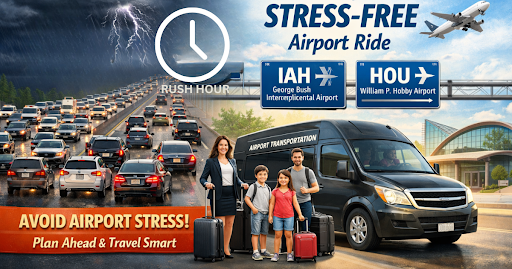
How to Schedule Reliable Airport Rides to IAH and Hobby   This blog outlines how to choose a professional transportation service to Houston Airport by checking experience, reviews, licensing, fleet quality, and pricing transparency. It also shares practical tips such as selecting the right pickup time, providing accurate flight details, and confirming locations clearly. Houston traffic is unpredictable, and delays often disrupt airport rides to IAH and Hobby when travelers least expect it. From sudden slowdowns on major highways to unexpected weather changes, even a short commute can quickly turn into a stressful experience. Heavy congestion during peak hours makes Houston Airport transportation risky, especially for early-morning departures, international flights, or tight layovers. In this comprehensive guide, you’ll discover practical strategies to ensure your ride to George Bush Intercontinental Airport (IAH) or William P. Hobby Airport (HOU) is smooth, punctual, and completely stress-free. Whether you’re a business traveler, a family heading on vacation, or a frequent flyer, planning your airport transportation in advance can make all the difference. Understanding Houston Traffic and Airport Travel Challenges Houston is one of the largest metropolitan areas in Texas, with millions of residents commuting daily. Major roadways such as I-45, US-59, and the 610 Loop experience frequent congestion, particularly during morning and evening rush hours. Construction projects, accidents, and unpredictable weather conditions can further complicate travel times. According to the Texas Department of Transportation (TxDOT), traffic congestion continues to impact major Houston corridors during peak hours. For Airport Passengers, These Factors Create Real Risks: Missing check-in deadlines Arriving late for security screening Paying additional fees for rebooking flights Increased stress before an important trip Because both IAH and Hobby serve domestic and international travelers year-round, airport traffic near terminals can also become congested during holidays and peak travel seasons. Planning your airport ride with realistic time buffers is essential for avoiding last-minute panic.   Why You Should Book a Ride in Houston for Airport Transportation When heading to the airport, reliability matters more than anything else. Booking a professional airport transportation service in Houston offers several advantages over waiting until the last minute. Guaranteed Availability Pre-booking ensures a vehicle is reserved exclusively for you. Instead of scrambling to find transportation during peak hours, you can rely on a scheduled pickup. Professional Drivers Who Know the City Experienced airport drivers understand Houston’s traffic patterns and alternative routes. They monitor real-time road conditions and adjust routes accordingly to minimize delays. Predictable Pricing Booking in advance often provides fixed, transparent pricing. This helps travelers avoid unexpected fare increases during busy travel times. Peace of Mind When you know your ride is scheduled and confirmed, you can focus on preparing for your trip rather than worrying about transportation logistics. How to Choose the Right Cab Services for IAH and Hobby Transportation Not all airport transportation services are created equal. Choosing the right provider ensures your experience is safe, comfortable, and reliable. Check the company’s experience. Look for companies with proven experience in Houston airport transportation. Providers who regularly serve IAH and Hobby understand terminal layouts, pickup zones, and airport procedures. Review Customer Ratings and Testimonials Online reviews provide valuable insights into punctuality, professionalism, and vehicle quality. Consistently positive feedback indicates dependable service. Verify Licensing and Insurance Ensure the cab or transportation service is fully licensed and insured. This protects you in case of unexpected incidents and ensures compliance with local regulations. Evaluate fleet quality. Clean, well-maintained vehicles are essential for a comfortable airport transfer. Check whether the company offers sedans, SUVs, or larger vehicles depending on your luggage and passenger needs. Confirm Transparent Pricing Choose a service that provides clear pricing with no hidden charges. A detailed quote should include all applicable fees. Ask About Flight Monitoring Reliable airport transportation providers track flight arrivals and departures. If your flight is delayed or arrives early, they adjust pickup timing accordingly. Check Availability and Customer Support Airport travel doesn’t operate on a 9-to-5 schedule. Make sure the company offers 24/7 support and responsive communication in case you need assistance Planning ahead can make your airport ride significantly smoother. Here are practical tips to ensure everything goes according to schedule. Book Your Ride in Advance Schedule reliable airport transportation at least 24–48 hours before your flight. During busy seasons, consider booking even earlier to secure availability. Choose the Right Pickup Time Factor in Houston traffic conditions, airport check-in requirements, and security screening times. For international flights, plan to arrive at the airport at least three hours before departure. Provide Accurate Flight Details Share your flight number, departure time, and airline information. This allows the transportation provider to monitor delays and adjust accordingly. Confirm Pickup Location Clearly Double-check your address, apartment number, gate code (if applicable), and terminal details. Clear communication prevents confusion on travel day. Select the Right Vehicle Type Traveling with multiple passengers or large luggage? Choose a vehicle that offers sufficient space and comfort. For business travelers, executive vehicles may provide added convenience. Review Pricing and Cancellation Policies Understand the total cost before confirming your booking. Check cancellation deadlines and any potential rescheduling fees. Benefits of Professional Airport Transportation for Business Travelers Business travelers often operate on tight schedules. Reliable Houston airport transportation ensures the following: On-time arrival for early morning flights Reduced stress before meetings Ability to work during transit Consistent service for recurring travel Professional drivers understand the importance of punctuality and discretion, making scheduled airport transportation ideal for corporate clients. Planning for Return Trips from IAH or Hobby Airport transportation planning shouldn’t stop at departure. Scheduling your return pickup in advance ensures you won’t struggle to find transportation after landing. For arrivals: Share your flight number for tracking Confirm whether pickup is curbside or inside the terminal Clarify waiting time policies Prearranged return rides provide reassurance after long flights, especially late at night. Ready to Schedule Your Next Airport Ride in Houston? Don’t leave your airport transportation to chance. Careful planning and choosing the right provider can transform a stressful commute into a smooth, efficient

Passenger Guide

Is Ridesharing Cheaper Than Owning a Car in Houston?

Is Ridesharing Cheaper Than Owning a Car in Houston? If you live in Houston and mostly get around by Uber or Lyft, you’ve probably asked yourself this question at least once: Is ridesharing actually cheaper than owning a car here? The honest answer: Bottom line For low-mileage urban Houstonians, ridesharing can absolutely beat the total cost of owning a car. But once you start driving regularly, a modest car often wins by a wide margin.   Table of Contents What We Compared The Real Cost of Owning a Car in Houston The Real Cost of Ridesharing in Houston Break-Even Point: When Ridesharing Wins When Owning a Car Makes More Sense Quick Scenarios: Which Bucket Are You In? Final Thoughts for Houston Drivers 1.  What We Compared To keep this simple and useful, we’ll look at a realistic Houston scenario: A typical driver in Texas, with average insurance and fuel costs. A standard UberX/Lyft ride inside Houston with current local pricing (not promo fantasy). No public transit hacks, just a straight ridesharing vs. owning a car comparison.   We’re not chasing perfect pennies. We’re aiming for a clear decision you can act on. Most people only look at the EMI or monthly payment. That’s the biggest mistake. In Texas, the total cost of owning and operating a car over five years averages about $33,000 , roughly $550–$600 per month across loan, insurance, fuel, maintenance, and fees. Here’s how that typically breaks down for a mainstream car: Car payment and depreciation: The biggest chunk. AAA and other studies put average U.S. new-car ownership around $11,500–$12,300 per year (roughly $960–$1,025 per month). Insurance: Texas runs relatively high. Expect $150–$200 per month for many drivers, often more for younger or high-risk profiles. Fuel: With typical mileage and current gas prices, fuel alone averages around $150–$200 per month for many commuters. Maintenance, repairs, registration, tires, misc.: Hidden costs add roughly $575 per month nationally , about $6,900 per year , on top of the loan or lease.   You can absolutely drive this number down by: Buying a reliable used car instead of a brand-new one. Holding the car longer than five years. Keeping annual mileage reasonable and doing basic preventive maintenance.   But even with a paid-off used car, it’s rare to get true all-in ownership below $350–$400 per month once you include insurance, fuel, and upkeep in Houston-style driving. 3.  The Real Cost of Ridesharing in Houston Now, what does Uber/Lyft actually cost you in Houston? Lyft’s public pricing for the Houston area shows for a standard ride (no XL, no luxury): Base fare: About $1.05 per trip. Cost per mile: About $0.84 per mile. Cost per minute: Around $0.18 per minute. Service fee: About $3.40 per ride, plus airport or other fees when applicable. Minimum fare: Around $1.45–$3.05 before service fees.   Third-party fare estimators in Houston show similar effective rates in real trips: Initial fare around $1.26 About $1.33 per mile About $0.17 per minute $5 minimum fare plus possible tolls and surcharges   Example: A 7-Mile, 20-Minute Ride Across Town Component Estimated Cost Per-mile portion  (7 × $1.30) ~$9.10 Per-minute portion  (20 × $0.17) ~$3.40 Base fare + fees ~$4–$5 Total (normal demand) ~$16–$18  (more during surge) Unlike a car, your rideshare “fixed cost” is basically zero. You only pay when you ride. 4.  Break-Even Point: When Ridesharing Wins The key question: At what monthly spend does ridesharing cost the same as owning a car in Houston? Let’s anchor a reasonable ownership number: Texas five-year average car ownership cost: about $33,137. Per year: about $6,627. Per month: around $552. If your total Uber/Lyft spending stays under ~$550 per month, you are near or below the real average cost of owning a car in Texas, especially a newer one. What does $550 per month look like in rides? Assume: Average ride cost in Houston: $15–$18 for typical 6–8 mile city trips. No extreme surge days included. Then: 30 rides per month at $18 ≈ $540 40 rides per month at $15 ≈ $600 So broadly: Under 1 ride per day (20–30 rides/month): Ridesharing can be cheaper or comparable to owning, especially if you’d otherwise buy a newer car with higher payments. 1–2 rides per day (30–60 rides/month): You are entering “same or more expensive than owning” territory quickly. Taking 3–5 rides per week within your neighbourhood or around downtown? Ridesharing often wins financially. 5.  When Owning a Car Makes More Sense For many Houston lifestyles, especially outside the core, owning eventually beats rideshare. Ownership usually becomes the smarter money decision if: You ride a lot: Daily commuting plus errands and social trips can easily push your rideshare bill over $700–$800 per month, especially with occasional surge pricing. You carpool or carry stuff: If you regularly haul kids, groceries, tools, or equipment, paying per trip for XL or multiple rides adds up fast. You choose a modest used car: Low purchase price, paid off quickly, reasonable insurance, and decent fuel economy can drop your real monthly cost well under the $550 Texas average. Parking is not painful: Many parts of Greater Houston have free or cheap parking at home and at work, removing a big cost that makes car-free living attractive in denser cities. National analyses show that using rideshare as a full-time car substitute can easily hit $12,000–$15,000 per year , often more than owning a sensible vehicle. 6.  Quick Scenarios: Which Bucket Are You In? Use these simple Houston-focused scenarios to position yourself. Lifestyle in Houston Typical Rideshare Use Est. Monthly Spend Likely Cheaper Option Downtown professional, walks a lot, occasional nights out 4–8 rides/week $250–$400 Ridesharing is usually cheaper than owning a newer car. Inner-loop resident, mixed commuting, no kids 8–15 rides/week $400–$650 It’s a toss-up; a modest used car might start to win. Suburban commuter, 5-day office, errands and kids 10–20+ rides/week (often l/onger trips) $700–$1,200+ Owning a car almost always cheaper long-term. These are directional, not precise quotes. But they give you a quick gut check.

Passenger Guide

5 Safety Features to Look for in Your Rideshare Service

5 Safety Features to Look for in Your Rideshare Service A smooth ride can quickly turn stressful if safety isn’t built into the system. Whether you’re heading out during Houston rush hour, planning your daily Houston commute, or traveling from Sugar Land to downtown Houston, you deserve more than just a driver and a car  you deserve protection, reliability, and peace of mind. In a city like Houston, where over 7 million people move across busy corridors every day, rideshare services have become a major part of daily travel. But with growing Houston traffic and long stretches across Houston highways, choosing a safe service matters more than ever. In this blog, you’ll learn the five most important safety features to check before booking a ride, how they affect your Houston office commute, and what real-world services are doing to improve rider protection. What You’ll Learn in This Blog Why strong driver background checks matter How real-time tracking protects riders The role of emergency features in ride safety Why vehicle inspections reduce risks How structured commuter services improve overall safety 1️⃣ Verified Driver Background Checks The first safety feature to look for is thorough driver screening. Trusted platforms like Uber and Lyft conduct criminal background checks and driving history reviews. However, not all services follow the same standards. A strong rideshare service should include: Criminal record checks Driving record verification Identity confirmation Ongoing monitoring, not just one-time approval Why this matters: Studies show that continuous screening reduces safety-related incidents by a measurable percentage compared to one-time checks. For commuters traveling during Houston rush hour, knowing your driver has been verified adds an extra layer of confidence  especially on longer routes like Sugar Land to downtown Houston. 2️⃣ Real-Time GPS Tracking and Trip Sharing Live tracking has become one of the most important safety tools in modern transportation. Apps powered by services like Google Maps allow riders to monitor routes in real time. This is especially important when navigating I-45 traffic or congested Houston highways. Look for rideshare apps that offer: Live driver location updates Route visibility Trip-sharing with friends or family Alerts for route deviations Why this matters: Traffic patterns in Houston can change quickly. During peak Houston traffic hours, alternate routes may be necessary. GPS tracking ensures transparency and accountability. If you’re commuting for work or managing a Houston office commute schedule, real-time updates help reduce uncertainty. 3️⃣ In-App Emergency Assistance Every reliable rideshare service should include built-in emergency tools. Features to look for: One-tap emergency button Direct 911 connection Fast customer support Easy incident reporting Many large transportation providers now integrate emergency response systems directly into their apps. For example, public transit agencies like METRO Houston have strict safety standards and rapid response procedures in place. Why this matters: In rare emergency situations, quick access to support can significantly reduce response time. This becomes even more critical during heavy Houston rush hour congestion, when delays can impact emergency services. 4️⃣ Regular Vehicle Inspections and Maintenance A safe ride depends not just on the driver but also on the vehicle. Professional services should require: Annual or biannual inspections Proof of active insurance Vehicle age limits Routine maintenance records Houston highways experience heavy wear and tear due to constant traffic flow. Poorly maintained vehicles are more likely to face mechanical issues, especially during long commutes like the Katy office commute or extended routes across the city. Reliable inspection programs reduce accident risks and ensure vehicles meet safety standards before they are approved for service.   5️⃣ Structured and Verified Ride Systems There’s a big difference between open, on-demand rides and structured commuter systems. Structured services often include: Fixed pickup and drop-off points Verified passenger lists Professional drivers Dedicated customer support Clear safety policies This model is particularly useful for daily travel such as Houston car pooling or Katy car pooling alternatives. Why this matters: When rides are organized and predictable, risks decrease. Structured services limit random pickups and maintain better oversight of drivers and vehicles. For example, commuters traveling Sugar Land to downtown Houston during peak times often prefer scheduled shuttle options over unpredictable on-demand bookings. How Safety Impacts Your Daily Commute During the average Houston commute, drivers face unpredictable slowdowns. According to regional mobility studies, congestion increases by nearly 30–40% during peak hours. I-45 traffic incidents alone can add 15–25 minutes to a single trip. This means safety isn’t only about avoiding crime  it’s also about preventing stress, breakdowns, and delays. If you’re planning the best time to commute in Houston, early morning departures may reduce congestion, but choosing a safe service reduces risk no matter the hour. Whether you’re navigating a Houston office commute or managing a Katy office commute, safety features should always come before pricing discounts. Helpful Resources For more information on transportation safety and traffic updates, you can explore: Texas Department of Transportation Google Maps live traffic updates METRO Houston safety guidelines National Highway Traffic Safety Administration (NHTSA) safety statistics You can also explore our internal resources: Houston Office Commute Solutions Sugar Land Routes Houston Car Pooling Options Best Time to Commute in Houston  Choose a Safer Ride Today Your daily ride should give you confidence  not concern. Whether you’re navigating Houston traffic, avoiding I-45 traffic delays, or planning a smooth Houston commute, safety must come first. If you’re ready for a structured, verified, and secure commuting option, explore NextSafeTrip today. Book your seat, travel with confidence, and make every mile of your journey safer and more predictable.

Passenger Guide

How to Save Money on Your Daily Houston Commute

How to Save Money on Your Daily Houston Commute If your daily drive feels more expensive than ever, you’re not imagining it. Between rising gas prices, higher insurance premiums, tolls, and parking fees, the average Houston commute now costs hundreds of dollars every month. Add long hours stuck in Houston traffic, and it’s not just your wallet that suffers, it’s your time, energy, and peace of mind. According to the Texas A&M Transportation Institute, drivers in major Texas cities lose more than 50 hours per year sitting in congestion. For many professionals handling a Houston office commute, that translates to lost productivity and rising stress. In this guide, you’ll discover practical, real-world ways to reduce commuting costs without sacrificing convenience or safety.      What You’ll Learn in This Blog The real cost of driving alone in Houston Smart strategies to reduce fuel and parking expenses How timing affects your commute budget The savings potential of ride-sharing and shuttle services Practical examples for routes like Sugar Land to downtown Houston How structured transport options can lower monthly costs   The Real Cost of Driving Alone in Houston Most people only think about fuel. But your total commute expense includes: Gas (avg. $3–$3.50 per gallon fluctuating) Insurance (Texas premiums increased nearly 15% in recent years) Maintenance and depreciation Parking fees (downtown can cost $150–$250/month) Tolls on major Houston highways If you drive 30 miles round-trip daily, you may spend $300–$600 per month  and that’s before factoring in the time lost during Houston rush hour. Routes like I-45 traffic corridors are especially unpredictable. A 25-minute drive can turn into 60 minutes during peak periods. 1️⃣ Adjust the Timing of Your Commute One of the simplest ways to save money is adjusting your schedule. The best time to commute in Houston is typically: Before 6:30 AM After 9:30 AM Before 3:30 PM After 7:00 PM Fuel efficiency drops in stop-and-go traffic. Studies show aggressive acceleration and idling can increase fuel consumption by 10–20%. Avoiding peak Houston rush hour means fewer stops, less gas burned, and lower stress. If your employer allows flexible hours, shifting your start time could save both time and fuel each week. For live traffic monitoring, tools like Houston TranStar  provide real-time congestion updates. 2️⃣ Consider Houston Car Pooling Sharing rides is one of the fastest ways to cut costs. With Houston car pooling, you divide fuel, tolls, and parking expenses. If four coworkers share a ride: Fuel cost drops by up to 75% Parking may be split or eliminated Vehicle wear and tear decreases For residents in suburbs like Katy, structured Katy car pooling groups are growing because the Katy office commute can exceed 45–60 minutes during peak hours. You can explore carpool matching services like: METRO Houston  Waze Carpool    3️⃣ Use Park & Ride or Shuttle Services For long-distance routes such as Sugar Land to downtown Houston, driving the full distance daily can be costly. Park & Ride programs help reduce fuel use and downtown parking fees. METRO Park & Ride offers commuter bus services connecting suburbs to central business districts. Another alternative is booking a seat with structured commuter shuttle platforms like SafeTrip . These services provide: Reserved seating Predictable schedules Reduced per-person cost compared to solo driving No parking stress Instead of spending $500+ monthly, many commuters reduce costs by 30–50% using shared transport. 4️⃣ Track and Optimize Fuel Spending Apps like: GasBuddy  help find cheaper fuel near you. Saving even 20–30 cents per gallon adds up over a year. Also: Keep tires properly inflated Avoid rapid acceleration Maintain regular oil changes Reduce unnecessary idling during I-45 traffic These small habits can improve fuel efficiency by 5–10%. 5️⃣ Reduce Wear and Tear on Houston Highways Daily driving on congested Houston highways increases: Brake wear Tire replacement frequency Engine strain AAA estimates the average annual vehicle operating cost exceeds $9,000 nationwide when including depreciation. Reducing mileage by sharing rides or using shuttle options can significantly cut that number. 6️⃣ Compare Monthly Costs: Driving vs Shared Transport Expense Category Solo Driving Car Pooling Shuttle Service Fuel High Shared Included Parking High Shared Often Not Needed Maintenance High Reduced None Stress High Moderate Low Monthly Cost Estimate $400–$600 $150–$300 $200–$350 When you compare all factors, structured commuting options often win financially. 7️⃣ Plan Smarter Routes Not all roads are equal. Some parts of I-45 traffic corridors are more congestion-prone than others. Use navigation tools to avoid bottlenecks. Real-time navigation apps: Google Maps Waze Planning ahead saves fuel and reduces delays. Final Thoughts: Small Changes, Big Savings Your daily drive doesn’t have to drain your budget. By: Adjusting the best time to commute in Houston Exploring Houston car pooling or Katy car pooling Considering shuttle options for your Houston office commute Monitoring fuel usage Avoiding peak Houston rush hour You could potentially save thousands annually. If you’re tired of unpredictable Houston traffic and rising commuting costs, it may be time to rethink how you travel.   Ready to Lower Your Commuting Costs? Explore affordable, comfortable, and structured commuting options with SafeTrip.   Visit: https://www.nextsafetrip.com  Learn about Corporate Programs: https://www.nextsafetrip.com/safetrip-corporate/  Read more commuting tips: https://www.nextsafetrip.com/blog/  Contact the team: https://www.nextsafetrip.com/contact-us/ Start saving money  and time  on your commute today.

Scroll to Top