
The Real Cost of Driving to Work in Houston
Driving to work in Houston may feel routine, but the real cost goes far beyond fuel. Gas, maintenance, insurance, tolls, parking, and hours lost in traffic add up quickly. According to the U.S. Bureau of Transportation Statistics, transportation is one of the largest household expenses in the United States. Heavy congestion on highways like I-45 and I-10 increases expenses while adding stress and reducing productivity. Understanding these hidden commuting costs can help Houston drivers explore smarter alternatives like SafeTrip that save time, reduce stress, and protect long-term finances.
For many Houston professionals, driving to work is routine. The morning alarm rings, coffee is poured, and the commute begins. But what often feels like a simple daily habit carries a significant financial and personal burden.
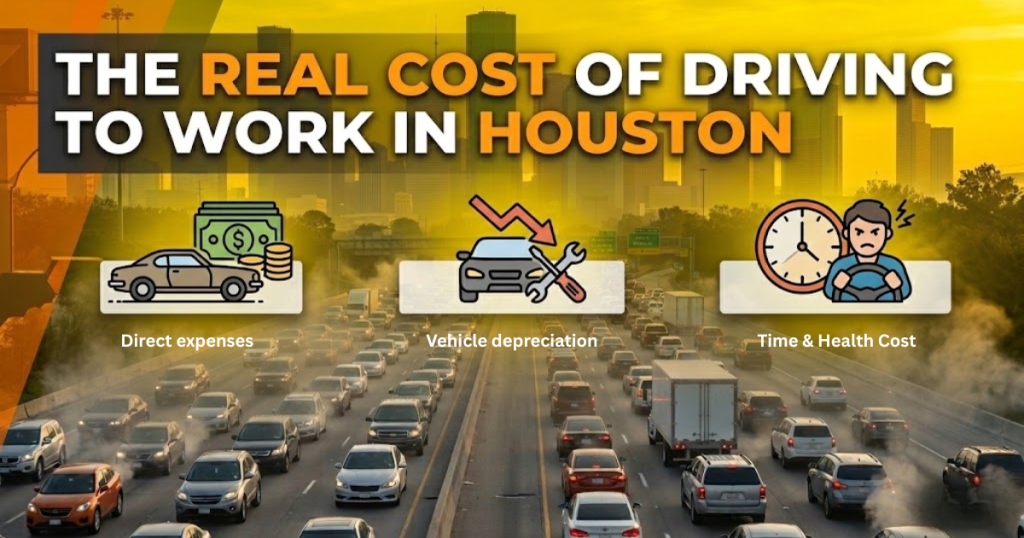
Houston is one of the most car-dependent cities in the United States. Long travel distances, suburban expansion, and heavy reliance on personal vehicles mean most workers commute alone. While owning a car offers flexibility, the cumulative cost of commuting five days a week can be surprisingly high.
The real cost of driving to work in Houston includes fuel, maintenance, depreciation, insurance, parking, tolls, and most importantly, time. When you calculate these expenses annually, commuting may cost far more than expected. In this guide, we break down those hidden costs and explore a smarter alternative for Houston professionals.
Fuel Costs Add Up Faster Than You Think
Fuel is the most visible commuting expense, but it is often underestimated. Gas prices in Houston fluctuate throughout the year, influenced by seasonal demand, supply changes, and global market conditions.
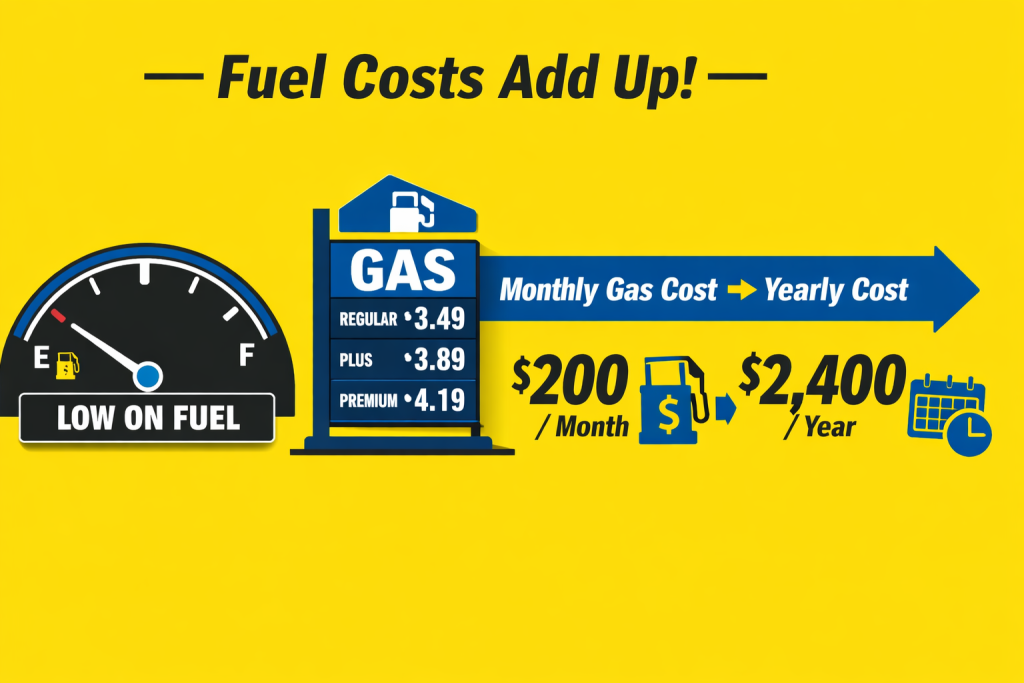
Consider a 30-mile daily round trip. If your vehicle averages 22–25 miles per gallon and fuel costs fluctuate between $3.00 and $3.50 per gallon, you may spend $150–$250 per month on gasoline alone. Over a year, that equals $1,800–$3,000—just for fuel.
Now factor in congestion. Rush hour traffic on I-45, I-10, US-59, and the 610 Loop increases idle time and reduces fuel efficiency. Stop-and-go driving consumes significantly more fuel than steady highway cruising. Even short delays compound over time.
Fuel may seem like a manageable expense week to week, but over several years of commuting, it becomes a major financial drain.
Vehicle Maintenance and Wear From Daily Commuting
Fuel is only one part of the equation. Daily commuting accelerates vehicle wear and tear, leading to higher maintenance costs.
Increased Brake and Tire Wear
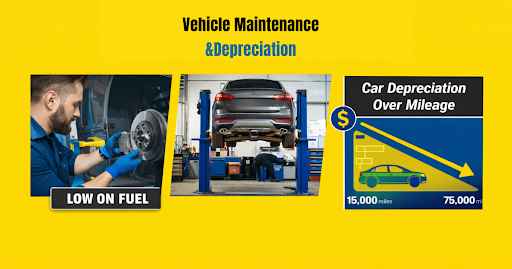
Houston’s heavy traffic forces drivers into frequent braking. This accelerates brake pad wear and shortens tire lifespan. Replacing brakes and tires more frequently can cost hundreds, sometimes thousands, of dollars annually.
Oil Changes and Engine Strain
Stop-and-go traffic places extra strain on engines. Oil changes may be required more often, especially for vehicles driven 15,000–20,000 miles per year. Engine components degrade faster under constant urban driving conditions.
Heat-Related Damage
Houston’s extreme summer heat also impacts vehicle performance. High temperatures reduce battery life, increase tire pressure fluctuations, and strain cooling systems. Heat-related breakdowns are common during peak summer months.
When combined, these maintenance expenses significantly increase the true cost of commuting by car in Houston.
Car Depreciation: The Silent Financial Loss
One of the most overlooked costs of commuting is depreciation. Every mile you drive reduces your vehicle’s resale value.
If you commute 20 miles each way, five days a week, that’s roughly 10,000 miles per year just for work travel. Add personal trips, and annual mileage can easily exceed 18,000–20,000 miles.
Higher mileage reduces trade-in value and private resale price. Over five years, heavy commuting can reduce your vehicle’s value by thousands of dollars more than low-mileage ownership.
Depreciation isn’t immediately visible like fuel expenses, but it is one of the largest long-term costs of driving to work.
The Hidden Cost of Time Lost in Traffic
Time is often the most valuable asset professionals have. Yet in Houston, traffic congestion consumes dozens of hours annually.
Peak congestion between 7 and 9 AM and 4 and 7 PM slows travel across major corridors. A commute that should take 25 minutes can easily stretch to 45 or 60 minutes.
If you spend 60–90 extra hours per year in traffic, consider what that time is worth. It could be used for:
- Professional development
- Family time
- Exercise
- Side projects
- Rest and recovery
Lost time also impacts productivity. Arriving at work stressed from traffic reduces focus and energy. Over time, long commutes contribute to burnout and lower job satisfaction.
The financial cost of commuting is measurable. The time cost may be even greater.
Insurance, Parking, and Toll Expenses
Auto Insurance Premiums
Houston’s dense traffic and accident rates influence insurance premiums. Long daily commutes increase exposure to potential accidents, which can raise policy costs.
Even minor claims can lead to premium increases lasting several years.
Parking Costs
Downtown Houston parking is rarely free. Monthly parking can range from $100 to $250 or more, depending on location. Over a year, parking alone may cost $1,200–$3,000.
Toll Roads and Fees
Many commuters rely on toll roads to save time. While convenient, toll charges accumulate quickly over months and years.
When you add insurance, parking, tolls, and unexpected repairs, commuting expenses extend well beyond fuel and maintenance.
Health and Stress: The Personal Cost of Driving
Long commutes affect more than finances.
Research consistently shows that extended drive times are linked to:
- Increased stress levels
- Elevated blood pressure
- Reduced sleep quality
- Lower overall life satisfaction
Spending extended periods sitting in traffic can also reduce physical activity levels. Mental fatigue from aggressive driving environments impacts mood and concentration.
When daily stress becomes routine, it influences both professional performance and personal well-being.
Environmental Impact of Daily Driving
Single-occupancy commuting contributes to higher emissions across Houston. Each gasoline-powered vehicle releases carbon dioxide (CO₂) and other pollutants into the atmosphere.
When thousands of commuters drive alone each morning, total emissions increase significantly. Congestion further worsens the problem, as idling engines release unnecessary pollutants.
Reducing individual vehicle use even slightly can have measurable environmental benefits for the region.
Comparing Annual Commuting Costs
When you combine all major factors, a conservative annual estimate might include:
- Fuel: $2,400
- Maintenance & Repairs: $1,200–$2,000
- Insurance Increase: $300–$600
- Parking: $1,800
- Tolls: $600–$1,000
- Depreciation Impact: Several thousand dollars
Total estimated annual commuting cost: $6,000–$10,000+
And this still does not account for the value of lost time or stress.
Understanding this broader financial picture helps commuters evaluate alternatives more realistically.
A Smarter Alternative: Let SafeTrip Handle the Drive

If the real cost of driving to work in Houston is higher than expected, exploring alternatives may be worthwhile.
SafeTrip offers structured, reliable transportation designed specifically for Houston commuters who value predictability and efficiency.
Instead of absorbing fuel fluctuations, parking expenses, and maintenance stress, riders benefit from:
- Fixed, transparent pricing
- Scheduled pickups
- Reduced personal vehicle wear
- Time to work, read, or relax during travel
For frequent airport or business district commuters, SafeTrip also offers streamlined Houston airport transportation services, making professional travel easier and more reliable.
Making a Long-Term Financial Decision
Choosing how to commute isn’t just about convenience; it’s a long-term financial strategy.
By calculating total commuting expenses rather than just fuel costs, Houston professionals can make informed decisions about their daily transportation habits.
Reducing personal vehicle dependency can:
- Protect vehicle value
- Lower stress levels
- Improve time efficiency
- Reduce environmental impact
- Provide predictable monthly transportation costs
When evaluated annually, the savings, both financial and personal, can be significant.
Final Thoughts
Driving to work in Houston may feel routine, but the real cost extends far beyond what you pay at the pump. Fuel, maintenance, depreciation, insurance, parking, tolls, lost time, and stress all contribute to a much larger financial picture.
As congestion continues to grow, commuters who reassess their transportation choices may discover smarter, more sustainable options.
SafeTrip offers one such alternative, helping Houston professionals reclaim their time, reduce hidden costs, and commute with greater peace of mind.
Book your Safetrip ride today.