
Sustainability

Sustainability

Green Commuting Options in Houston: A Complete Guide

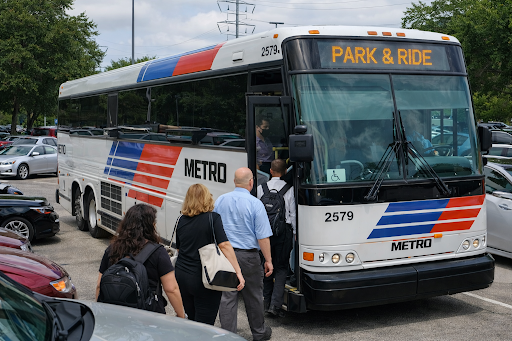
Green Commuting Options in Houston: A Complete Guide Houston has a reputation as one of America’s most car-dependent cities , and in many ways, that reputation is earned. But a quieter transformation has been underway for years. The city that built itself around the freeway is now investing seriously in light rail, protected bike lanes, electric bus fleets, and one of the most extensive Park & Ride systems in the country. For Houston commuters who are ready to reduce their carbon footprint, their fuel bill, or both, the options are better than most people realize. The stakes are real. According to the City of Houston’s Climate Action Plan, transportation accounts for 47% of Houston’s total greenhouse gas emissions , making it the single largest source of the city’s carbon output. The plan sets a goal of reducing community-wide emissions 40% below 2014 levels by 2030 and reaching carbon neutrality by 2050. Individual commuting choices, at scale, are one of the most powerful levers to get there. This complete guide covers every practical green commuting option available to Houstonians right now , from METRORail and Park & Ride buses, to bike share and e-bikes, to carpooling and vanpooling programs, to the city’s growing EV charging network. We’ll show you exactly what each option costs, where it works best, and how to get started. For a deeper look at the financial side, see our guide on ridesharing vs. car ownership costs in Houston.   🌿  Why Green Commuting Matters in Houston , By the Numbers 47% , Share of Houston’s greenhouse gas emissions coming from transportation (Houston Climate Action Plan, 2020) 40% , Target reduction in community-wide GHG emissions below 2014 levels by 2030 2050 , City of Houston’s goal year for carbon neutrality ~$10,000 , Annual carbon emissions saved per vehicle removed from daily road use (EPA estimate) 206,800 , Average weekday METRO boardings in Q4 2025 (bus + rail combined) 400+ miles , Bike lanes and trails built in Houston since adopting the Houston Bike Plan in 2017 2,726 , Total public EV charging stations in the Greater Houston–The Woodlands–Sugar Land metro area (PlugShare, 2025)   Option 1: METRORail , Houston’s Light Rail Network Houston’s METRORail is a 22.7-mile light rail system operated by the Metropolitan Transit Authority of Harris County (METRO).  It recorded 12.65 million boardings in 2025, averaging about 35,100 riders per weekday , and holds the title of the second most-traveled light rail system in the Southern United States and the highest ridership  per mile for light rail in the South. For green commuters living or working along its corridors, it is the fastest, most emissions-efficient option in the city. The Three METRORail Lines   Line Key Stops Best For Red Line Downtown, Museum District, Rice U, Texas Medical Center, NRG Park Medical Center workers, downtown office commuters, museum visitors Green Line EaDo, East End, Magnolia Park East Houston residents commuting downtown Purple Line U of Houston, Texas Southern U, Palm Center Students, Third Ward residents, southeast Houston commuters   Fares and How to Pay Single ride: $1.25 per boarding , one of the most affordable light rail fares in any major U.S. city Day Pass: Available for unlimited rides in a single day METRO Q Fare Card: Reloadable card available at ticket vending machines at every station and at select retailers. Faster boarding than cash or single-ride tickets GoMETRO app: METRO’s all-in-one app for trip planning, real-time tracking, and mobile fare payment , available for iOS and Android   đź’ˇ METRORail Pro Tips for Green Commuters Park & Rail combo: Drive to a Park & Ride lot, then connect to METRORail at key transfer stations. This eliminates downtown parking costs ($125–$280/month) while keeping your schedule flexible. Texas Medical Center: The Red Line drops you right at the TMC , the largest medical complex in the world, with over 60,000 employees. Skipping the parking garage battle alone is worth it. NRG Park events: The Red Line runs to NRG Stadium for Texans games, concerts, and the Houston Livestock Show & Rodeo , eliminating event parking entirely. Free WiFi: METRO has rolled out WiFi access across its rail and bus fleet, making your commute productive time.   Option 2: METRO Bus & Park and Ride   METRO’s bus network is the most used in Texas and the largest in the Southwest region, with 1,230 buses serving hundreds of routes across Harris County and surrounding areas.  For green commuters who don’t live near a METRORail line , which describes the majority of Houstonians , the bus network and Park & Ride system are the most practical low-emissions commuting tools available.   Park & Ride: The Green Commuter’s Best-Kept Secret METRO operates 29 Park & Ride lots across the Greater Houston region with more than 33,000 parking spaces. The concept is simple: drive to a suburban Park & Ride lot (free parking), board an express bus with direct, often non-stop service to Downtown Houston, the Texas Medical Center, Greenway Plaza, or the Energy Corridor, and arrive faster than you would have on the freeway , especially during rush hour, when buses use dedicated HOV lanes. Cost: $2.00–$4.50 per ride depending on distance zone, versus $10–$20/day for downtown parking plus fuel costs HOV lanes: METRO Park & Ride buses use the HOV/HOT lanes on I-10, I-45, US-290, and other corridors , often cutting trip times by 20–40 minutes vs. driving alone Emergency Ride Home program: Registered Park & Ride riders who have a mid-day emergency or unplanned overtime get a free ride home , eliminating the biggest anxiety about leaving your car at home The Woodlands Express: A commuter bus service separate from METRO that operates from three Park ‘n’ Ride lots in The Woodlands, providing frequent weekday service to downtown Houston, Greenway Plaza, the Medical Center, and Greenspoint   METRO’s Electric and Hybrid Fleet METRO currently operates 443 diesel-hybrid buses, reducing nitrogen oxide emissions by more than 50% compared to conventional diesel buses. The agency has a goal to
Sustainability

The Environmental Impact of Your Daily Houston Commute

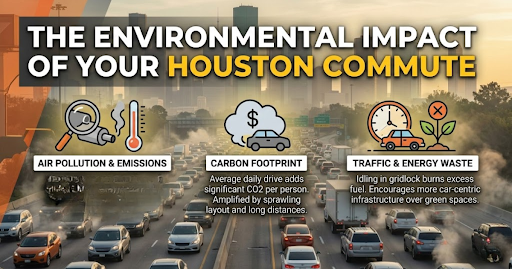
The Environmental Impact of Your Daily Houston Commute Houston’s daily traffic congestion does more than waste time; it significantly contributes to rising carbon emissions and declining air quality. With single-occupancy vehicles dominating major highways, per-person emissions remain high across the city. Transportation is one of the largest sources of greenhouse gases in the United States, and Houston’s sprawling layout makes the issue even more pressing. This guide explains how your commute affects the environment and how smarter shared transportation options like SafeTrip can help reduce your carbon footprint while improving urban mobility. For many professionals in Houston, commuting is simply part of the daily routine. Long drives, packed highways, and unpredictable delays have become normal. But beyond the frustration and fuel expenses, there is a larger issue at play: the environmental cost of commuting. Houston is one of the largest and most vehicle dependent metro areas in the country. With limited public transit coverage and significant suburban expansion, most residents rely on personal vehicles to get to work. As a result, traffic congestion continues to grow, and so do emissions. Understanding how your commute affects air quality and climate change is the first step toward making more sustainable travel decisions. Houston Traffic and Rising Carbon Emissions Houston’s transportation network has a measurable environmental impact. According to the U.S. Environmental Protection Agency (EPA), transportation accounts for approximately 29% of total U.S. greenhouse gas emissions, making it the largest contributing sector nationwide. Houston is one of the largest and most vehicle dependent metro areas in the country. With limited public transit coverage and significant suburban expansion, most residents rely on personal vehicles to get to work. As a result, traffic congestion continues to grow, and so do emissions. Understanding how your commute affects air quality and climate change is the first step toward making more sustainable travel decisions. Houston Traffic and Rising Carbon Emissions Houston’s transportation network has a measurable environmental impact. According to the U.S. Environmental Protection Agency (EPA), transportation accounts for approximately 29% of total U.S. greenhouse gas emissions, making it the largest contributing sector nationwide. The average passenger vehicle emits about 4.6 metric tons of CO₂ annually. When multiplied by hundreds of thousands of daily commuters, the numbers become staggering. Because most Houston commuters travel alone, emissions per passenger remain high compared to shared transportation options. Beyond climate impact, poor air quality can lead to: Increased asthma rates Higher healthcare costs Reduced overall public health Greater environmental strain on urban communities Driving alone also increases traffic density, which further worsens congestion and fuel consumption. In essence, single driver commuting creates a cycle where more cars lead to more delays and more emissions. How Ridesharing Reduces Environmental Impact Ridesharing provides a practical solution for reducing commuter related emissions. When multiple passengers share one vehicle, the carbon footprint per rider decreases significantly. Research shows that carpooling and shared rides can reduce individual commuting emissions by up to 45%. The U.S. Department of Transportation sustainability initiatives highlight how reducing vehicle miles traveled directly lowers emissions and fuel consumption. In a city like Houston, where commuting distances are often long and public transportation access can be limited, shared ride services offer a realistic middle ground between driving alone and traditional transit systems. By optimizing routes and combining trips, rideshare services help minimize unnecessary mileage, directly lowering greenhouse gas output. The Broader Environmental Benefits of Smarter Commuting Reducing emissions is only part of the story. Smarter commuting strategies also support long term sustainability goals for growing metropolitan areas. When fewer cars are on the road, cities benefit from the following: Improved air quality Reduced noise pollution Lower urban heat buildup More efficient infrastructure use Over time, widespread adoption of shared transportation can help cities delay costly highway expansions and reduce environmental degradation linked to excessive roadway construction. How SafeTrip Supports Greener Houston Travel SafeTrip is designed not just for convenience but for responsible commuting. By encouraging shared rides and optimizing travel routes, SafeTrip helps reduce the environmental footprint of daily transportation in Houston. SafeTrip supports sustainability by: Reducing single-occupancy vehicle trips Lowering per passenger emissions Minimizing fuel waste through efficient routing Supporting cleaner urban mobility solutions When Houston commuters choose SafeTrip instead of driving alone, they actively contribute to easing congestion and improving citywide air quality. Each shared ride removes potential vehicles from already crowded highways. Sustainability doesn’t require dramatic lifestyle changes; sometimes it begins with a smarter transportation choice. Conclusion The environmental impact of commuting in Houston extends far beyond fuel costs and traffic frustration. With transportation serving as one of the largest contributors to greenhouse gas emissions, daily travel decisions matter. Single-driver commutes increase carbon output, worsen air quality, and contribute to long-term climate challenges. However, shared mobility solutions provide a practical way to reduce emissions while maintaining flexibility and convenience. Choosing smarter rides like SafeTrip allows commuters to lower their environmental footprint without sacrificing reliability. Every shared trip represents a step toward cleaner air, reduced congestion, and a more sustainable Houston. Book your SafeTrip ride today and make your daily commute part of the solution.

Sustainability

How Carpooling Reduces Houston’s Traffic Congestion

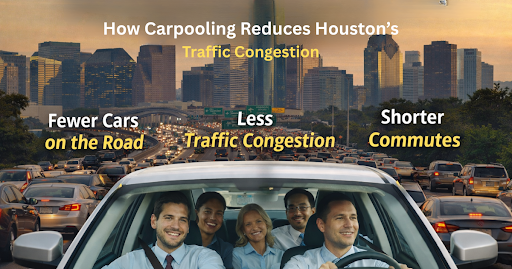
How Carpooling Reduces Houston Traffic Congestion Houston’s growing traffic congestion continues to impact daily commuters, businesses, and overall productivity. With most vehicles carrying only one passenger, limited road space is used inefficiently, leading to long delays and increased fuel consumption. Carpooling offers a practical solution by reducing the number of vehicles on the road, improving traffic flow, lowering emissions, and cutting commuting costs. By increasing vehicle occupancy and using existing infrastructure more efficiently, shared rides help create a smoother, more sustainable transportation system for Houston. Traffic congestion has become one of the most persistent challenges for Houston commuters. Long delays on major highways, unpredictable travel times, and rising transportation costs make daily travel stressful and inefficient. As the city continues to grow, the number of vehicles on the road increases, placing even greater pressure on already busy highways. Major routes such as I-10, I-45, and US-59 experience heavy congestion during peak hours, especially between 7 AM and 9 AM and 4 PM and 7 PM. According to research from the Texas A&M Transportation Institute, Houston drivers lose dozens of hours each year due to traffic delays. These lost hours translate into reduced productivity, higher fuel expenses, and lower overall quality of life. Houston’s Growing Traffic Problem Houston is one of the most car-dependent cities in the United States. According to the Texas A&M Transportation Institute, Houston commuters lose dozens of hours each year sitting in traffic. Major highways like I-10, I-45, and US-59 experience heavy congestion during peak hours, especially between 7 AM and 9 AM and 4 PM and 7 PM One major reason for Houston traffic congestion is low vehicle occupancy. Most cars on the road carry only one person. This means thousands of vehicles are using limited road space inefficiently. When road capacity remains the same but the number of single-occupancy vehicles increases, congestion becomes unavoidable. Carpooling addresses this imbalance by maximizing the use of each vehicle. Instead of multiple cars traveling the same route with one passenger each, shared rides reduce the total number of vehicles needed. Why Vehicle Occupancy Plays a Key Role in Traffic Reduction Traffic flow is influenced by the number of vehicles on the road, not just the number of commuters. When more people share rides, overall vehicle volume decreases. This reduction improves highway efficiency and allows traffic to move more smoothly. Even a modest shift toward carpooling during peak hours can produce noticeable improvements in travel times. By reducing vehicle density, shared commuting helps prevent bottlenecks and stabilizes traffic flow. Benefits of Carpooling for Traffic Congestion Carpooling offers multiple advantages that directly ease Houston’s traffic burden. By sharing rides, commuters help reduce the number of vehicles on the road, which leads to smoother traffic flow and more reliable travel times. Here are some key benefits: How Carpooling Reduces Houston Traffic Congestion   Table Of Contents How Carpooling Reduces Houston Traffic Congestion Houston’s Growing Traffic Problem Benefits of Carpooling for Traffic Congestion Economic and Community Advantages A Sustainable Long-Term Solution for Houston Start Carpooling with SafeTrip   Houston’s growing traffic congestion continues to impact daily commuters, businesses, and overall productivity. With most vehicles carrying only one passenger, limited road space is used inefficiently, leading to long delays and increased fuel consumption. Carpooling offers a practical solution by reducing the number of vehicles on the road, improving traffic flow, lowering emissions, and cutting commuting costs. By increasing vehicle occupancy and using existing infrastructure more efficiently, shared rides help create a smoother, more sustainable transportation system for Houston. Introduction Traffic congestion has become one of the most persistent challenges for Houston commuters. Long delays on major highways, unpredictable travel times, and rising transportation costs make daily travel stressful and inefficient. As the city continues to grow, the number of vehicles on the road increases, placing even greater pressure on already busy highways. Major routes such as I-10, I-45, and US-59 experience heavy congestion during peak hours, especially between 7 AM to 9 AM and 4 PM to 7 PM. According to research from the Texas A&M Transportation Institute, Houston drivers lose dozens of hours each year due to traffic delays. These lost hours translate into reduced productivity, higher fuel expenses, and lower overall quality of life. Houston’s Growing Traffic Problem Houston is one of the most car-dependent cities in the United States. According to the Texas A&M Transportation Institute, Houston commuters lose dozens of hours each year sitting in traffic. Major highways like I-10, I-45, and US-59 experience heavy congestion during peak hours, especially between 7 AM to 9 AM and 4 PM to 7 PM     One major reason for Houston traffic congestion is low vehicle occupancy. Most cars on the road carry only one person. This means thousands of vehicles are using limited road space inefficiently. When road capacity remains the same but the number of single-occupancy vehicles increases, congestion becomes unavoidable. Carpooling addresses this imbalance by maximizing the use of each vehicle. Instead of multiple cars traveling the same route with one passenger each, shared rides reduce the total number of vehicles needed. Why Vehicle Occupancy Plays a Key Role in Traffic Reduction Traffic flow is influenced by the number of vehicles on the road, not just the number of commuters. When more people share rides, overall vehicle volume decreases. This reduction improves highway efficiency and allows traffic to move more smoothly. Even a modest shift toward carpooling during peak hours can produce noticeable improvements in travel times. By reducing vehicle density, shared commuting helps prevent bottlenecks and stabilizes traffic flow. Benefits of Carpooling for Traffic Congestion Carpooling offers multiple advantages that directly ease Houston’s traffic burden. By sharing rides, commuters help reduce the number of vehicles on the road, which leads to smoother traffic flow and more reliable travel times. Here are some key benefits: Fewer Cars on the Road Every shared ride means one less single-occupancy vehicle contributing to congestion. With more carpools, traffic density decreases, especially during peak hours. Shorter Commute Times Reduced congestion translates into

Scroll to Top